8. THE INSCRIPTION – FROM WEARABLE TIME TO HUMAN ORIENTATION
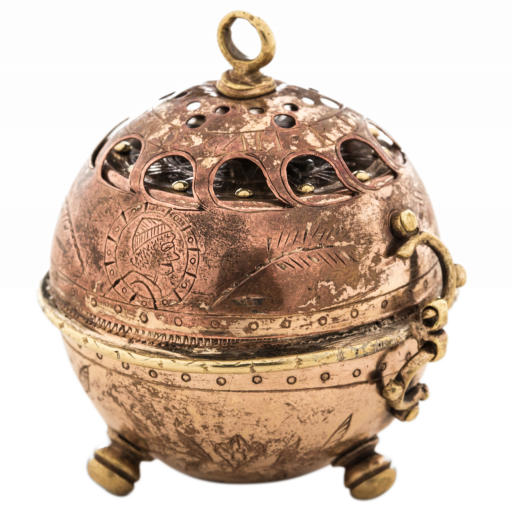
The distinctive depth of the 1505 Watch arises from the interplay of its movement, pomander, surface design and inscription. The movement provides the technical basis for wearable timekeeping. The pomander situates this innovation within the cultural, social and symbolic world of its time. The inscription, finally, opens a human and philosophical dimension.
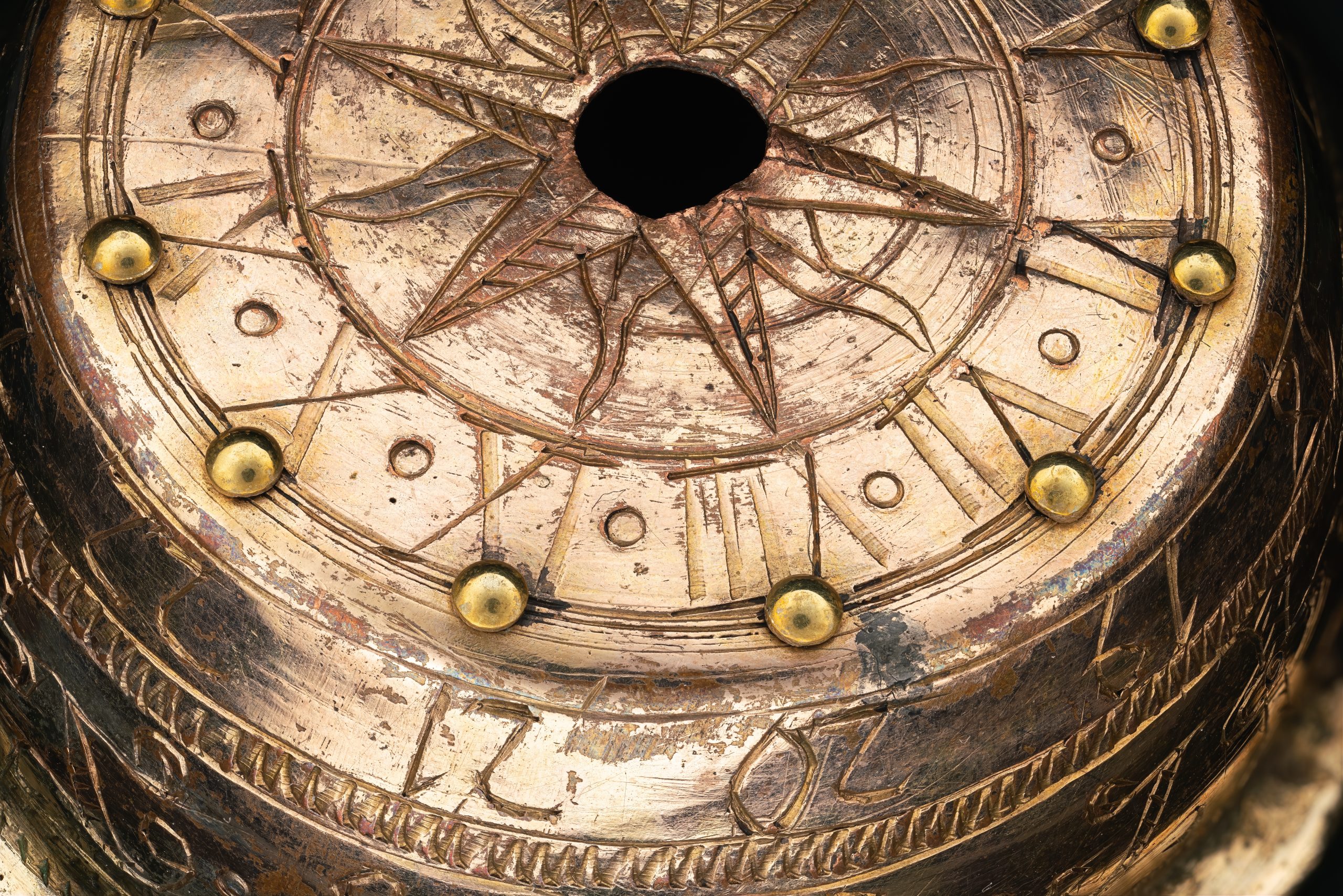
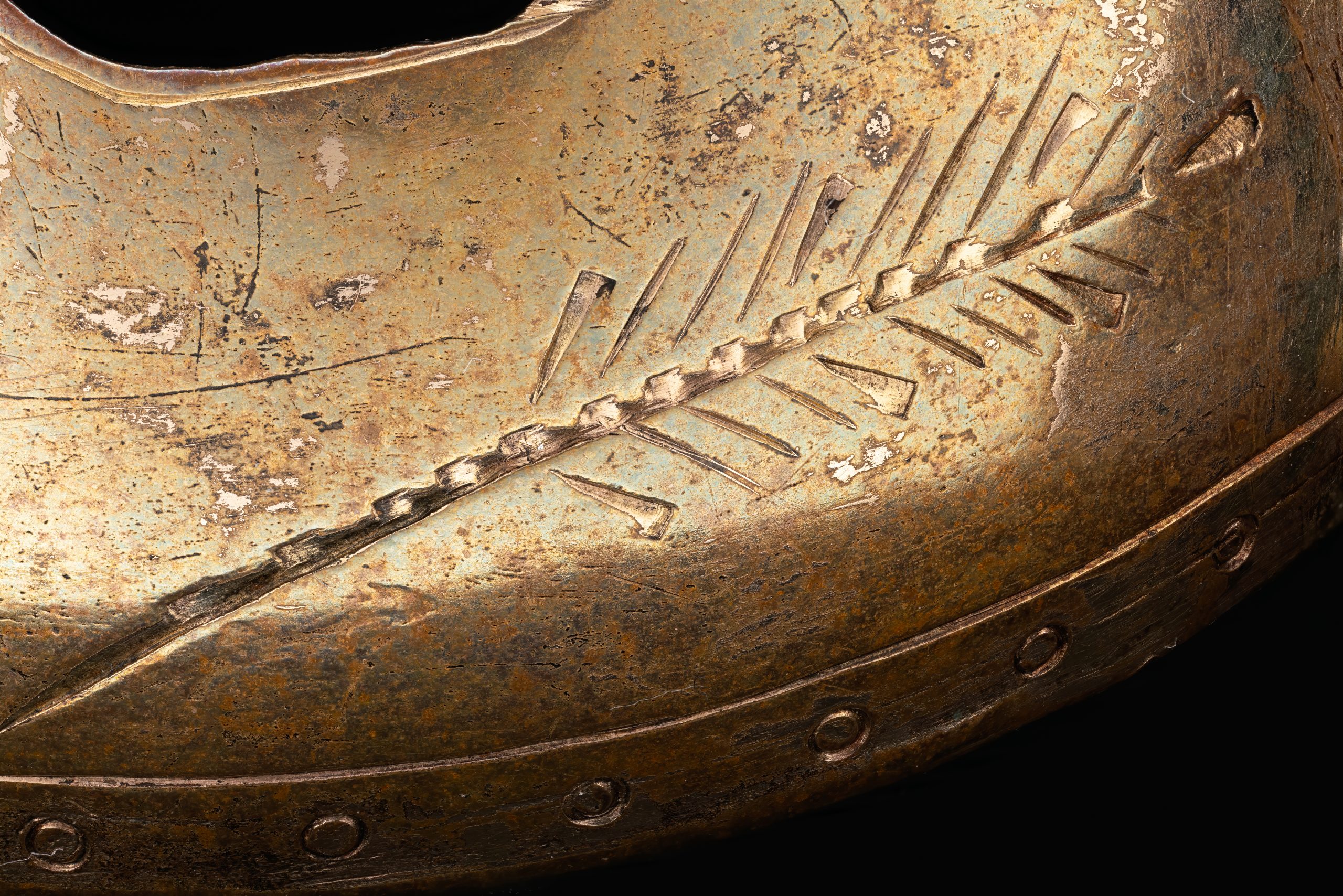
The inscription forms part of a wider framework of meaning that brings together the dial, the arrangement of numerals, the medallions, engravings, ornamental structures and the display of time. Only within this overall composition does it become clear why the 1505 Watch is far more than a timekeeping instrument: it not only indicates the passage of time, but also connects the present moment with the question of what this time means for one’s own life.
The inscription names no specific patron, owner or historical group. It may therefore be understood as addressing the individual directly. It transcends the historical context in which it was created and remains intelligible regardless of period, origin, culture or social standing.
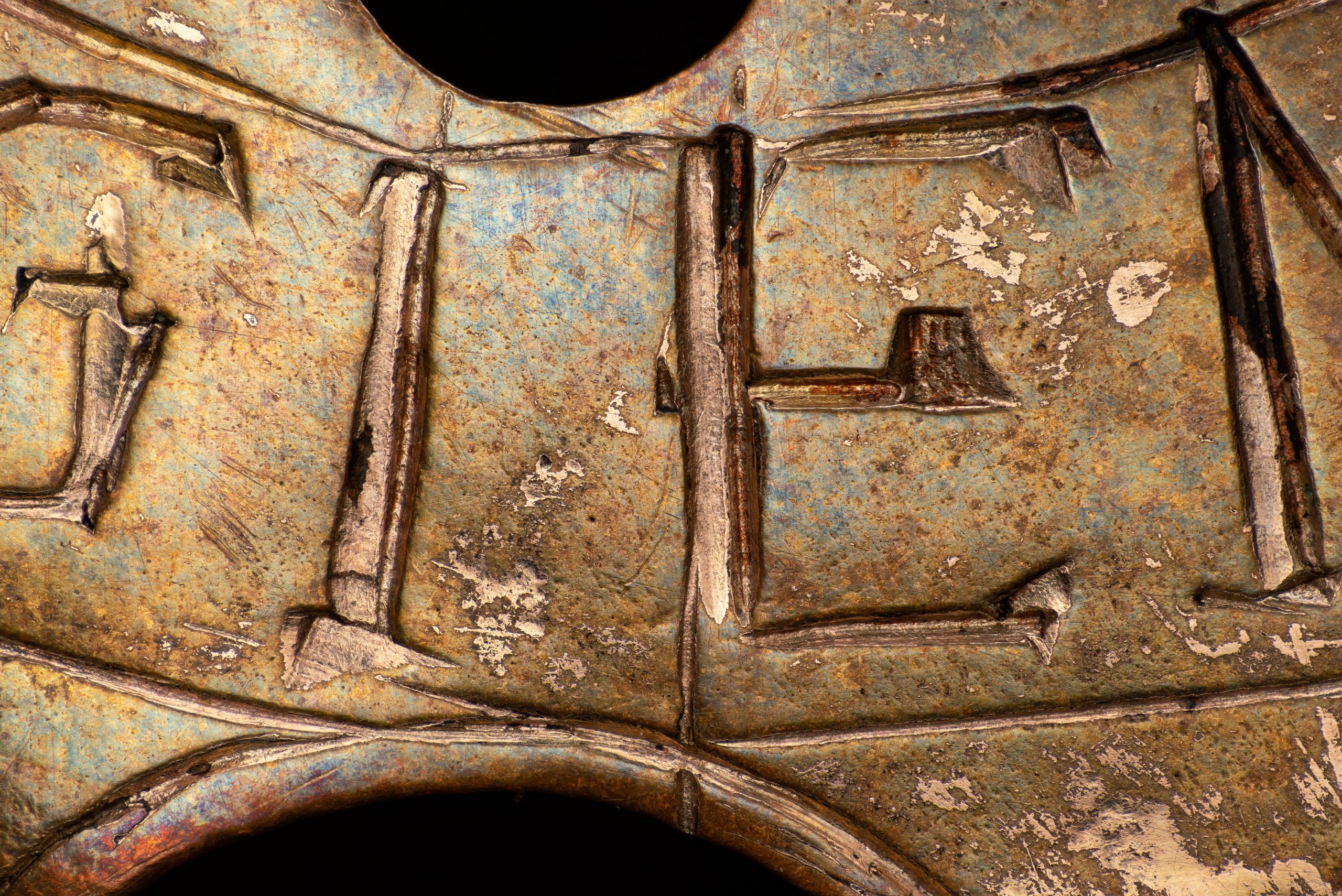
D · VT · ME · FUGIENT · AGNOSCAM · R ∗
Scholarly translation
“[I shall] recognize how [time] flees me.”
Curatorial interpretation
“Time will flee from me, and I shall recognise the right moment.”
______________________
The inscription links the display of time with questions of transience, discernment and the right moment. It directs attention both to the passing of time and to the human capacity to find meaning, measure and orientation within that passage.
The philosophical depth of the inscription lies not in any prescribed answer, but in the question it opens: How do we recognise the right moment even as our time passes? The movement cannot answer this question; the answer lies in how each of us lives.
The 1505 Watch thus becomes an artefact that gives rise to meaning and understanding —a timekeeping instrument, a vehicle of meaning and an object of reflection in one. The movement makes time measurable and readable; the inscription makes time an object of reflection. The technical display of time is thereby connected with the human capacity to recognise and interpret it.
Measurability alone does not provide orientation. Orientation arises when measured time is consciously perceived, understood and brought to bear on responsible decisions. The 1505 Watch thus connects the origin of wearable mechanical timekeeping with a question that continues to concern us today. Herein lies its distinctive power: Time becomes visible; its meaning must be recognised by the individual.
The chapters that follow build on this understanding. They show why it gives rise to the Guardianship of the 1505 Watch, and why the watch’s civilisational significance underpins that responsibility.