Nuremberg
The 1505 Watch
THE ORIGIN OF PERSONAL TIME
The oldest and first wearable Watch in the World
Created in Nuremberg in 1505 by Peter Henlein, the 1505 Watch transformed time from a public measure into a personal human relationship.
A space to recognize the moment.
With the 1505 Watch, time entered into a direct relationship with the human being for the first time. In the year 1505, a work was created in Nuremberg that went far beyond the emergence of a new form of mechanics. With the 1505 Watch, time was, for the first time in history, brought into a wearable form. This marked not only the beginning of the history of the wearable watch — it marked the emergence of a new relationship between the human being, time, and human self-perception.
For the first time, time no longer appeared solely as an external order of the world — heard through bells, visible through towers, or determined by the public rhythm of cities. With the 1505 Watch, time moved into the immediate proximity of the human being itself.
The Nuremberg locksmith and early watchmaker Peter Henlein created, with the 1505 Watch, the oldest and first wearable watch in the world.
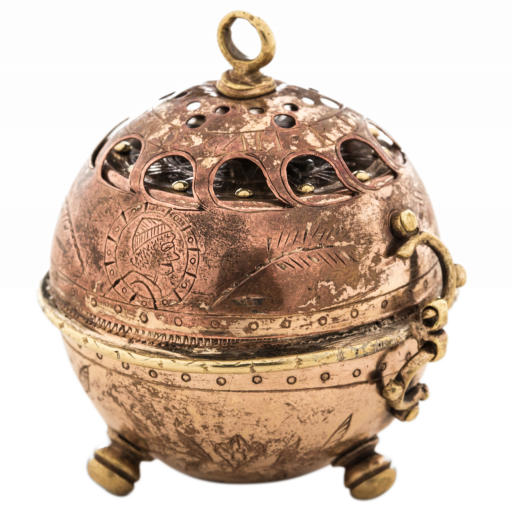
Within a gilded pomander case, he succeeded in bringing mechanical timekeeping into a dimension that had previously seemed almost impossible. From monumental clockworks, which until then had been bound to buildings, towers, or large table clocks, there emerged a wearable mechanism of previously unattained miniaturization.
This achievement was far more than a technical innovation. It marked a civilizational turning point.
For with the wearability of time, not only did a new form of mechanics begin — the foundation of a personal relationship between the human being and time emerged. From this moment onward, time could no longer be experienced only publicly; it entered into a direct relationship with one’s own life.
The 1505 Watch therefore stands not only at the origin of wearable horology. It stands at the origin of personal time.
From the earliest wearable watches through the pocket watch and onward to the modern wristwatch, the entire historical line of wearable timekeeping leads back to this origin in the year 1505.
At the heart of the 1505 Watch beats an iron movement — hand-forged, manually assembled, and slightly asymmetrical in its construction.
It is the work of a human being who created an entirely new form of wearable mechanics at a time when neither technical standards nor existing precedents yet existed. The movement contains a mainspring, a fusee with cord transmission, and a balance wheel suspended on boar bristles. These bristles served as an early regulating element — one of the first known attempts in the history of horology to improve the accuracy of a wearable watch mechanism. Only more than 150 years later was this system replaced by the balance spring.
To this day, this movement functions. It indicates one hour. It has no alarm and no additional complications. And yet it is precisely within this apparent simplicity that an extraordinary feat of engineering is concealed.
The miniaturization, the construction, and the functioning wearability of this mechanism belong among the earliest and most significant pioneering achievements of wearable mechanics. Yet the significance of the 1505 Watch does not end with its mechanics. Equally decisive is the form in which this work was embodied.
The watch was integrated into a pomander — a spherical fragrance capsule whose origins reached Europe through the cultural traditions of the Orient and the trade routes of Asia.



In the late Middle Ages, pomanders were carried as personal objects and were at the same time understood as protective, symbolic, and culturally meaningful vessels. The spherical architecture of the pomander is not accidental. It creates a formal closure in which interior and exterior correspond with one another. The work within and the surface of the case do not form separate levels, but one coherent whole.
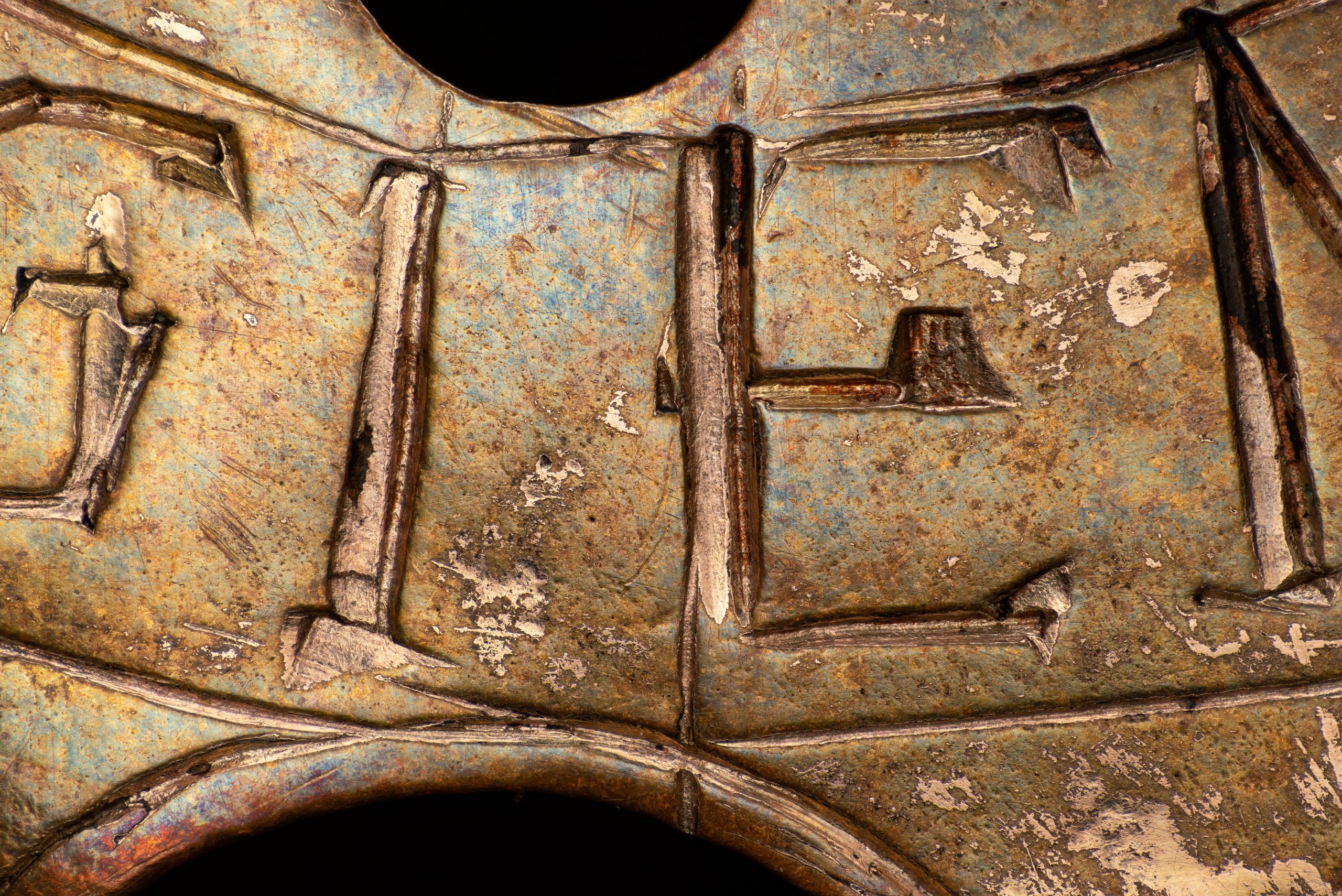
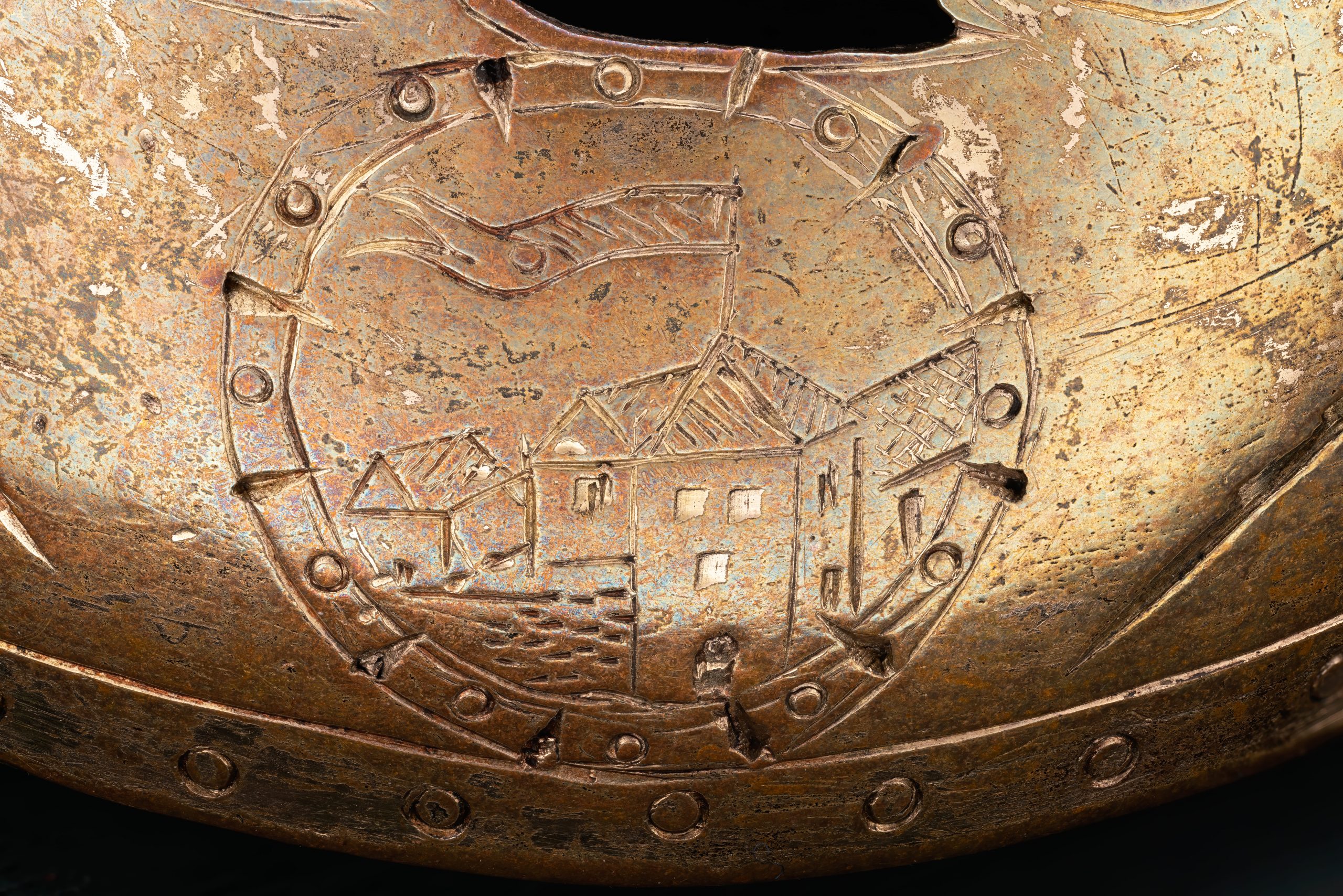
The surface of the 1505 Watch consists of engravings, structural divisions, symbols, and finely elaborated architectural levels that can only be understood in relation to the work as a whole.
Upper, middle, and lower sections form a consciously ordered surface architecture in which mechanics, form, engraving, and symbolism come together into a structural overall logic. It is precisely here that one of the most extraordinary dimensions of the 1505 Watch lies.
For its significance is not exhausted in a single symbol or a single inscription. Its true depth emerges from the interplay of all levels — from mechanics, engraving, surface structure, form, symbolism, and historical contextualization.
Every investigation opens new connections.
Every analysis deepens the understanding of the work as a whole.
The depth of this work is only now beginning to open fully.
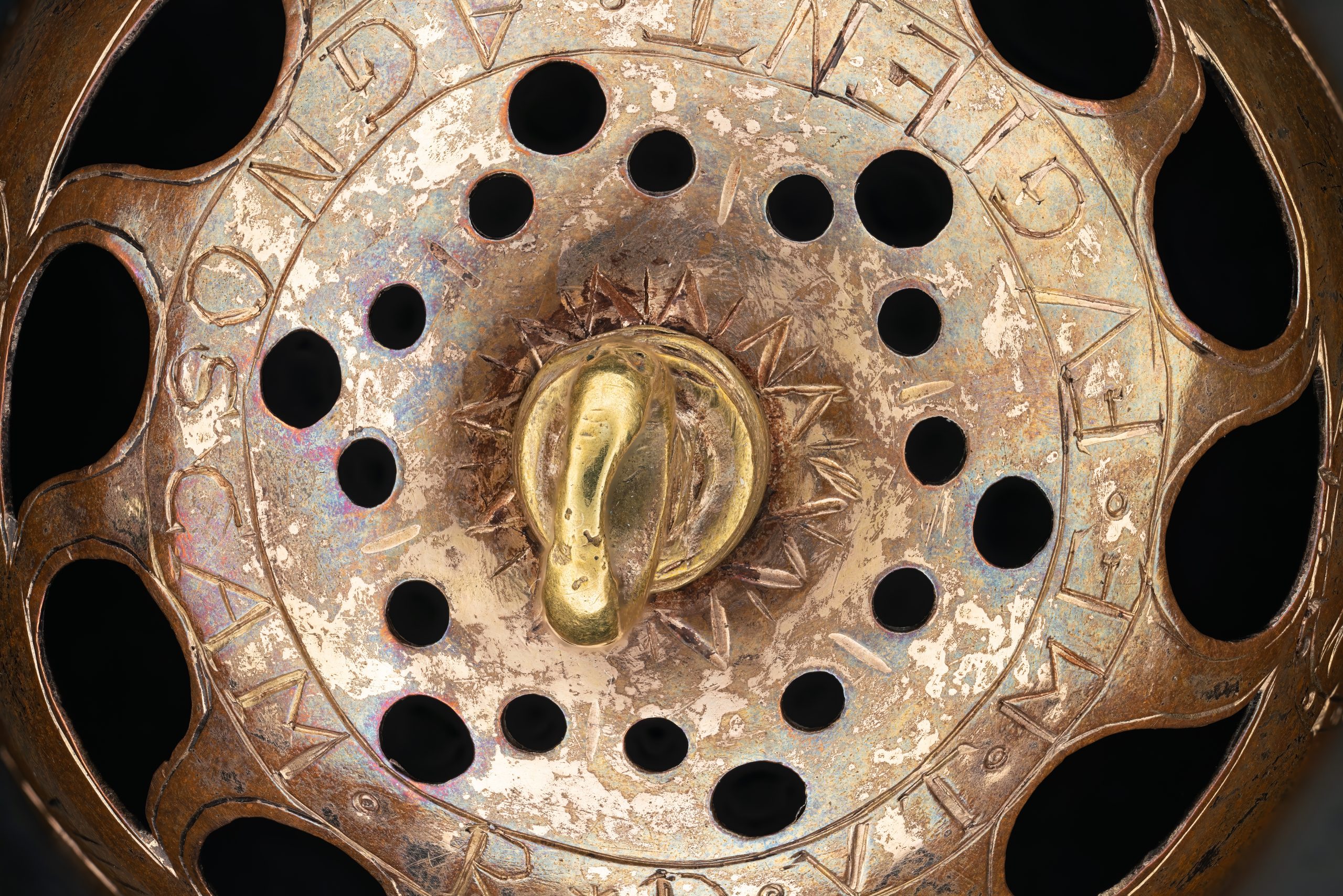
Historical, technical, philosophical, and cultural-scientific layers interweave and together form a structure of human time-perception whose full significance is only gradually becoming visible. At the centre of this surface architecture stands the inscription engraved upon the pomander:
D VT ME FUGIENT AGNOSCAM R
Read scientifically, the inscription points to the transience and fleetingness of time.
In its curatorial reading, this thought condenses into the question of the right moment.
In its deeper meaning, it opens a space of conscious self-reflection: “Time will flee from me — and I shall recognize the right moment.”
It is precisely here that the true singularity of the 1505 Watch lies.
For only through the union of wearable timekeeping and this inscription does an entirely new level of meaning emerge. The same words would have had a different effect on a tower clock or a monumental wall clock. Yet on a wearable watch, carried in immediate proximity to the human being, their meaning changes fundamentally.
The inscription becomes personal.

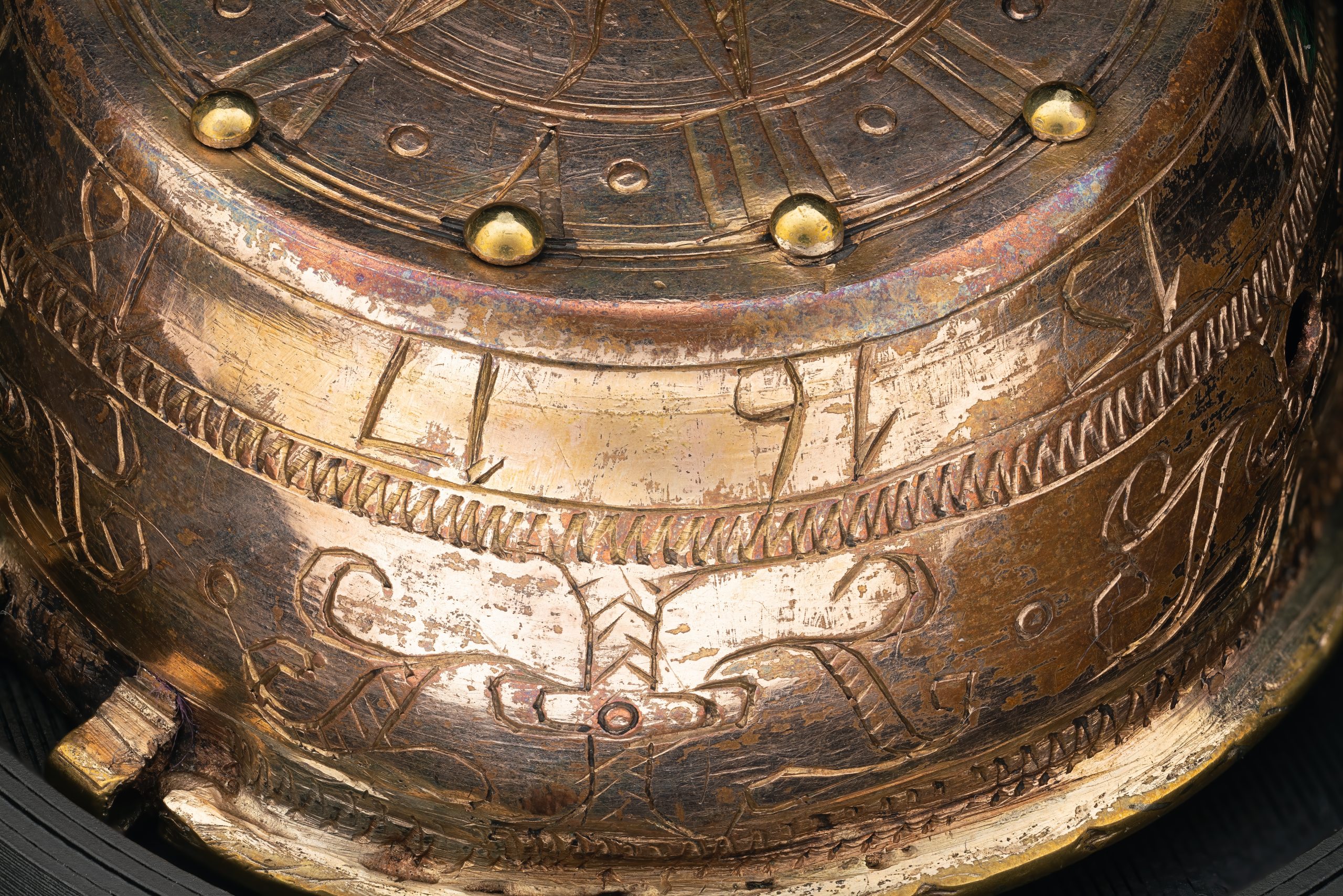
Time no longer appears only as an external order of the world, but as a direct question addressed to one’s own life.
In this way, the 1505 Watch opens a space of human orientation, in which the human being may engage with their own time, their own actions, and their own existence.
This is where its enduring power lies. The 1505 Watch does not merely measure time — it transforms the human being’s relationship to the self.
Through the union of mechanics, engravings, symbolism, inscription, and wearable form, an object emerges that reaches far beyond the classical definition of a watch.
The 1505 Watch becomes a bearer of meaning — an artifact that invites the human being to engage with their own time, their own life, and their own moment. For with a conscious relationship to time, a new form of human orientation also emerges.
Whoever begins to consciously reflect upon their own moment also begins to decide more consciously, to act more consciously, and to live more consciously.
It is precisely here that the timeless significance of the 1505 Watch lies.
The emergence of this work also belongs to a larger historical context. Around the year 1500, Nuremberg was among Europe’s most important centres of trade, metalworking, craftsmanship, and humanist scholarship. At the same time, this period was shaped by intense trans-cultural currents of knowledge.
Scientific, technical, and philosophical insights from Europe, the Orient, and the scholarly traditions of the Islamic world converged and formed the intellectual background for new developments.
The 1505 Watch belongs to this larger civilizational movement.
More than five centuries later, its true significance is only now beginning to become visible. Only a fraction of what the 1505 Watch truly contains has so far been made public. Its mechanical construction, its engravings, its symbolism, its surface architecture, and its philosophical meaning together form a work of extraordinary depth.
The responsibility of Guardianship therefore lies not only in preserving the work itself, but also in making its historical, technical, philosophical, and cultural significance visible and accessible for future generations. For the 1505 Watch is far more than a historical object of early horology.
It is a key artifact of human time-consciousness — a space of human orientation, a space of conscious self-reflection, and a bearer of meaning in which mechanics, meaning, and human existence are united.
With its worldwide presentation in future, a more comprehensive visibility of its true significance begins for the first time. The forthcoming research, analyses, and publications will continue to reveal the depth of this work step by step.
For the true potential of the 1505 Watch lies not only in its historical existence, but in its meaning for the present and future of humanity. Today, more than eight billion people live on Earth.
They all organize their lives according to the same structure of hours, minutes, and seconds and yet every human being experiences time in an entirely individual way.
The 1505 Watch stands at the origin of this shared human reality. And perhaps precisely therein lies its greatest significance:
That time does not merely pass — but must be recognized within human life.
THE 1505 WATCH