4. MATERIALITY, STATE OF PRESERVATION AND TRACES OF USE
The movement of the 1505 Watch consists predominantly of iron.
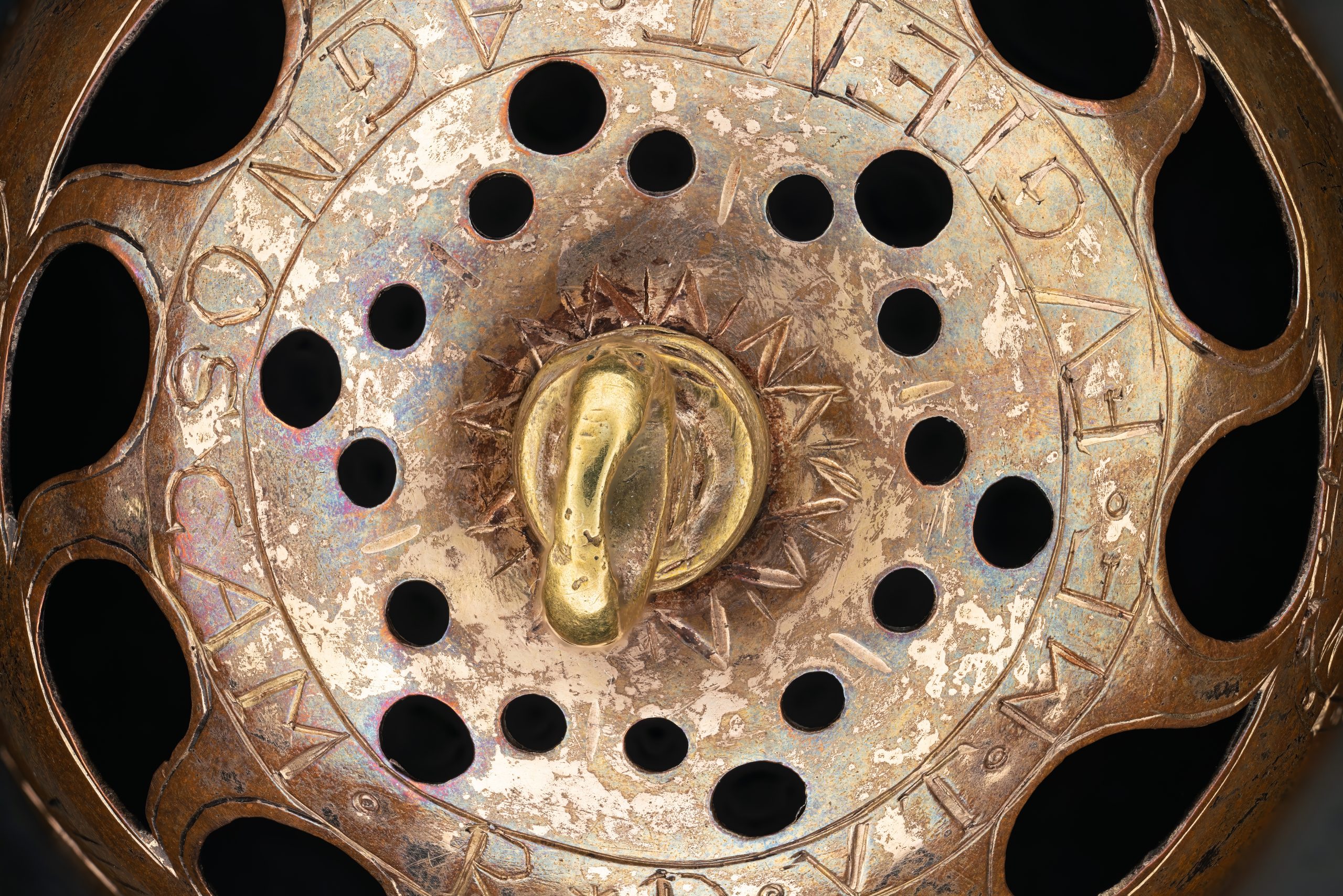
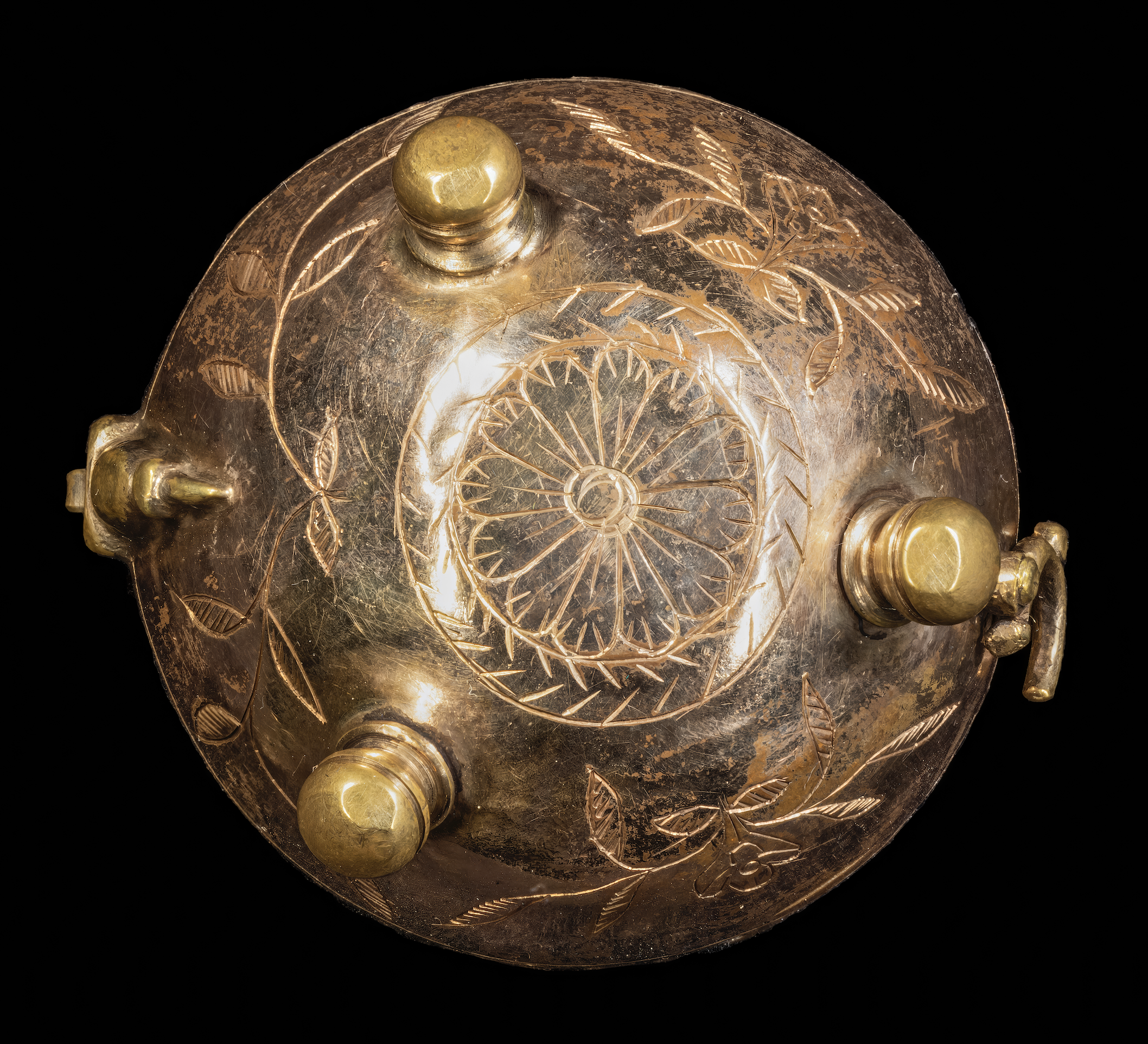
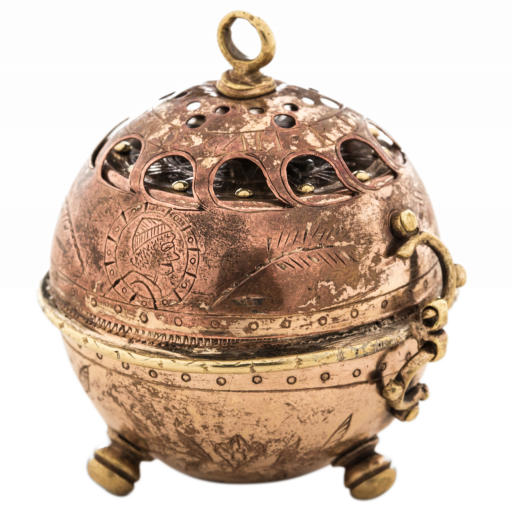
The pomander forms the watch case and is made of fire-gilt copper.
For a watch of this age, its state of preservation is exceptional. The movement remains operational, while the surviving surfaces, evidence of manufacture and documented traces of use together constitute an unusually rich material record. This lends particular robustness to the scientific findings, since design, construction, materials, use and function can all be traced in relation to one another.
The small number of documented repairs also forms part of this material history. They are consistent with the age and use of the watch, as well as with the technical knowledge and practices current at the time of each intervention. They also demonstrate that the 1505 Watch was maintained, repaired and kept in working order over an extended period. Marks of assembly and use, surviving surfaces, repairs and features of manufacture together form a material chronicle of the watch. Through them, manufacture, use, technical care and preservation become legible as a continuous history.
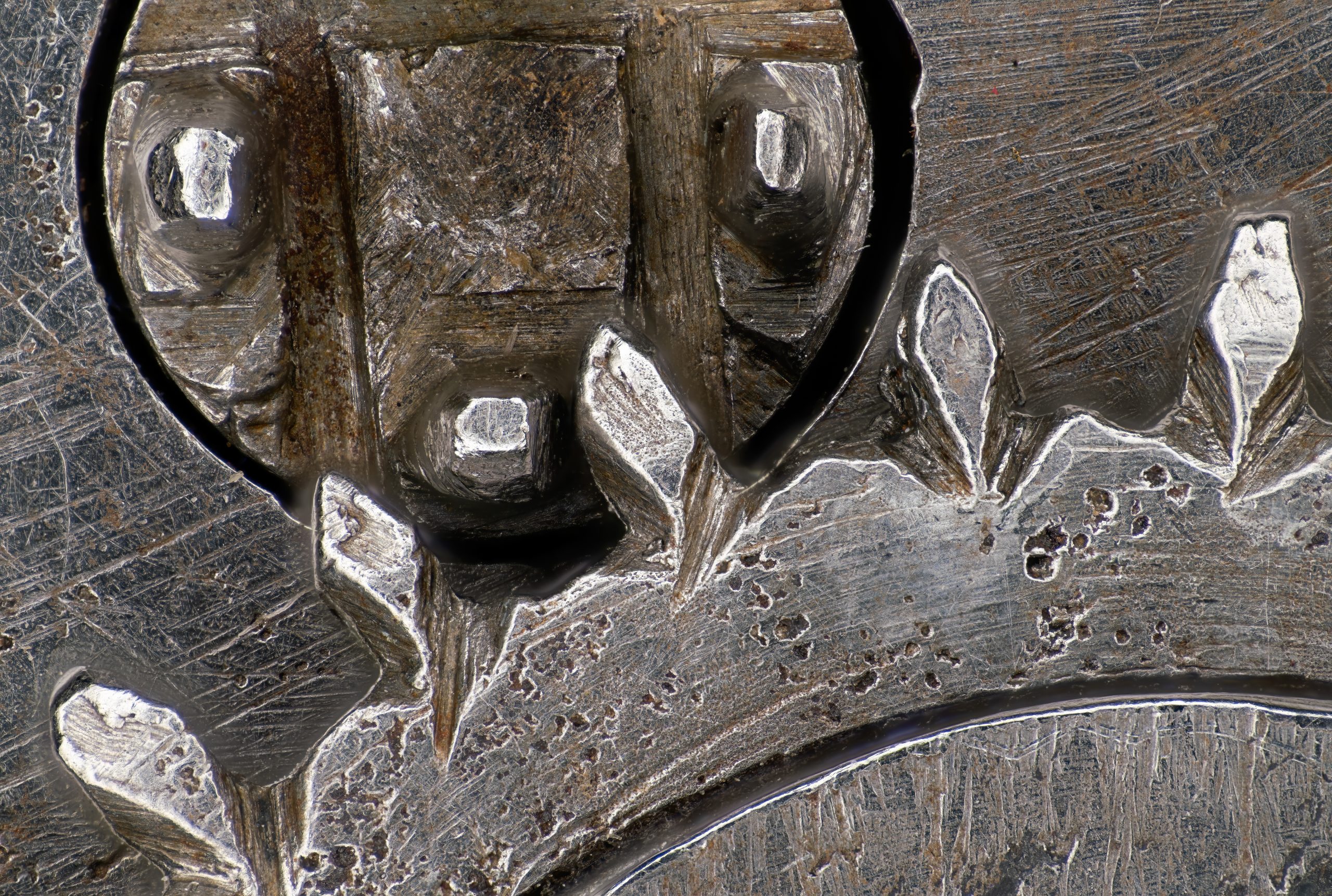
Within this material chronicle, the surfaces are of particular evidential value. They preserve traces of tool marks, manufacture, engraving, fire gilding, use and care. These traces increase both the material legibility of the watch and the density of information it preserves.
Taken together, its surviving physical fabric, functioning movement, preserved surface decoration, visible traces of manufacture and workmanship, documented repairs and evidence of continued care give the 1505 Watch exceptional evidential force as a material witness to the origins of wearable mechanical timekeeping.