3. THE SCIENTIFIC INVESTIGATION OF THE 1505 WATCH
The Interdisciplinary Research Process
In recent years, new investigative technologies and digital methods have greatly expanded the ways in which the 1505 Watch can be studied. Earlier investigations were largely confined to examination of its exterior, isolated findings and limited technical insights. It is now possible to investigate the spatial, material and functional relationships within the watch. Its construction, material composition, surface structure, history of use and mechanical operation can consequently be documented and understood with a degree of analytical precision previously unattainable.
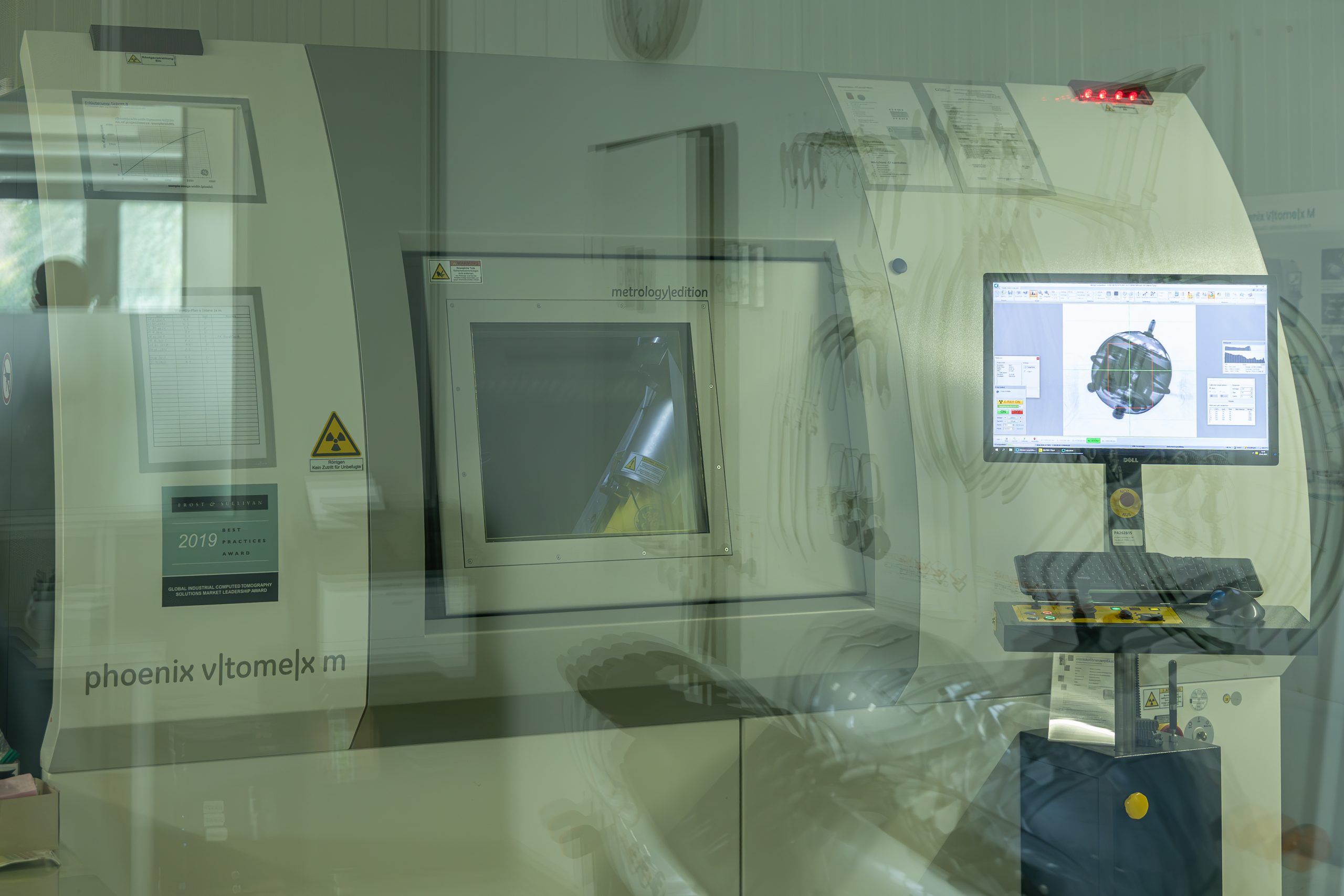
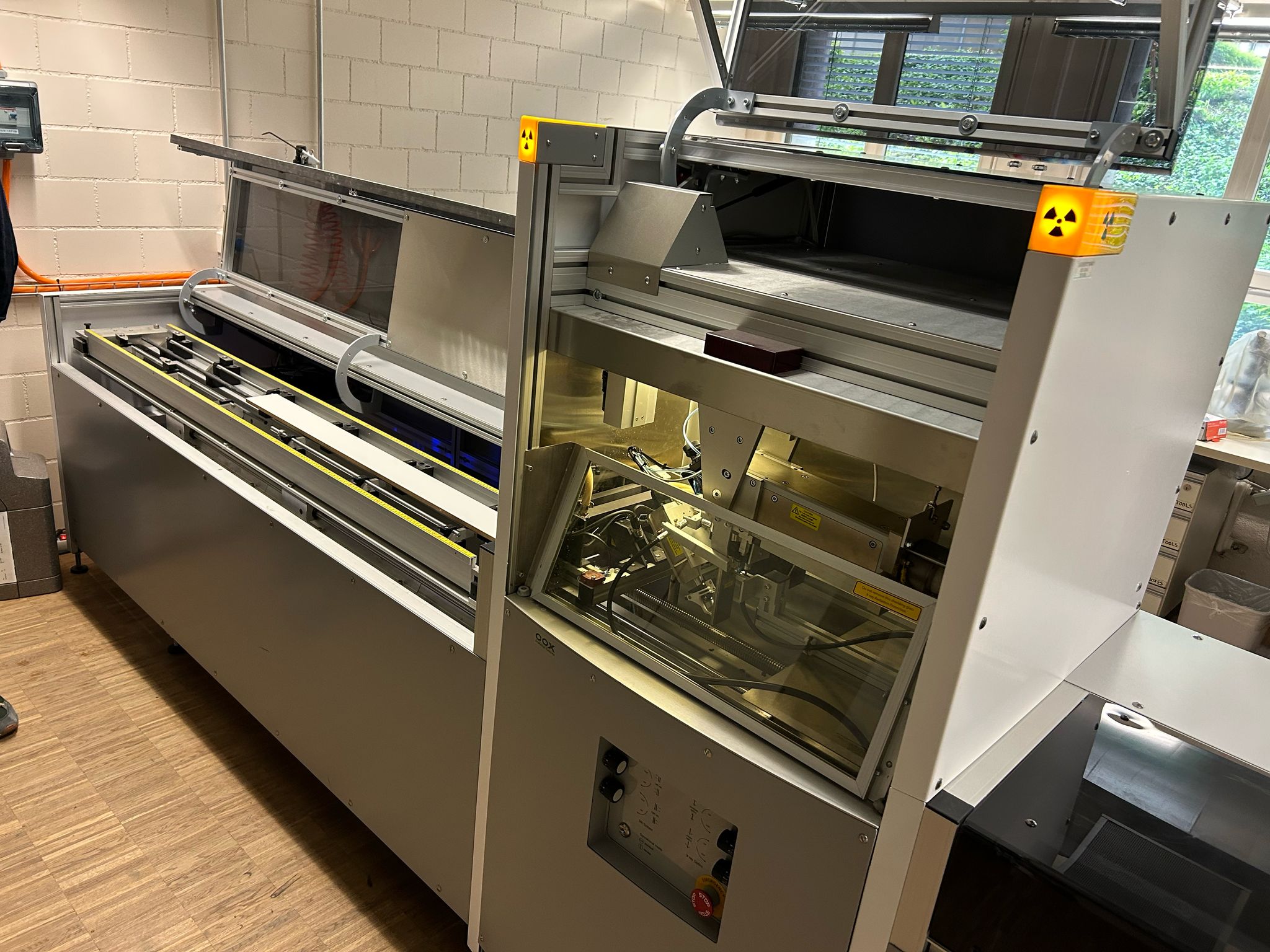
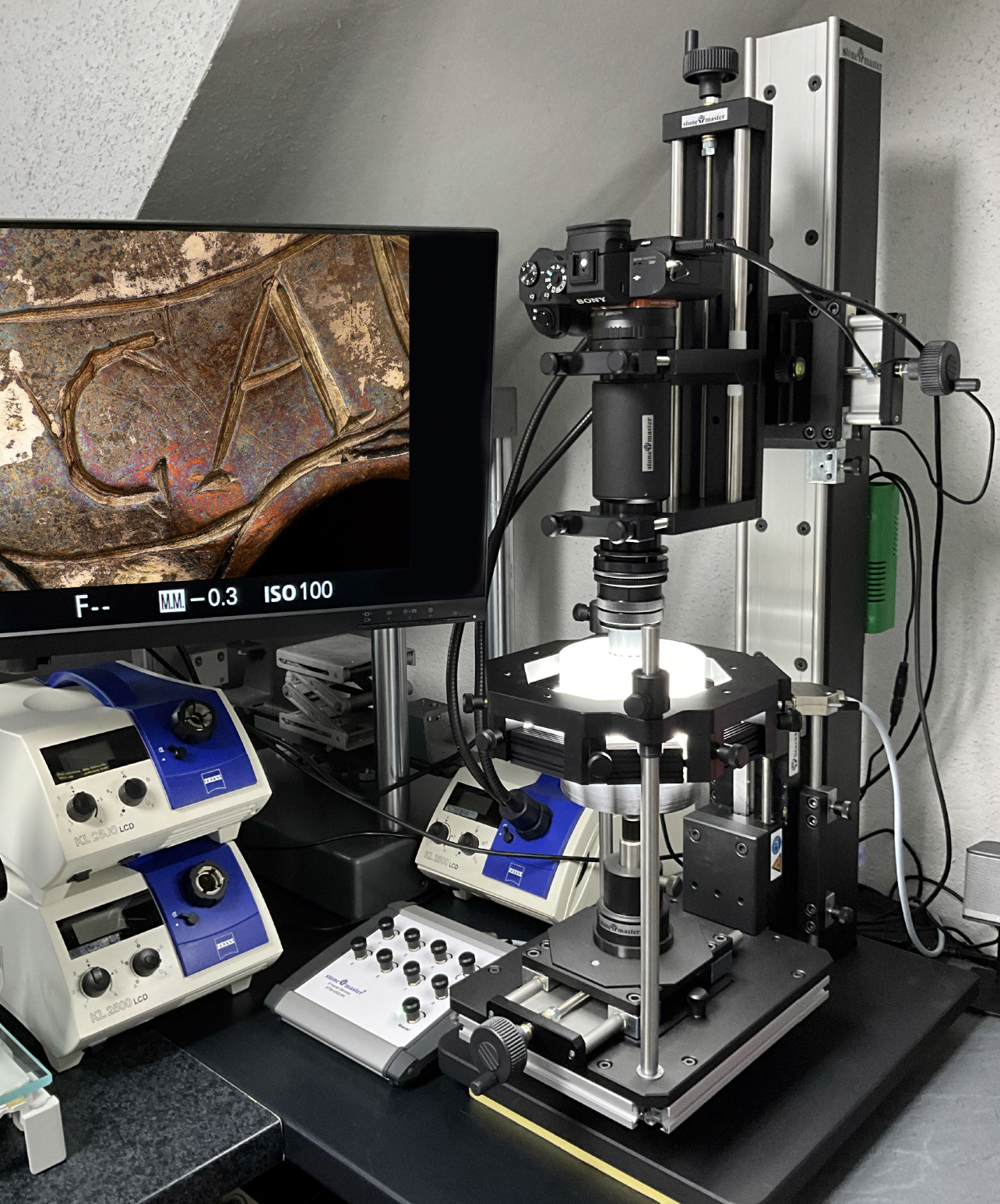
Over more than a decade, historical research, horological expertise, materials analysis, high-resolution microphotography, industrial metrology, computed tomography, digital segmentation and functional simulation have been brought together within an interdisciplinary research process.
The aim was to achieve the most comprehensive scientific understanding possible, examining individual features not in isolation but in relation to one another.
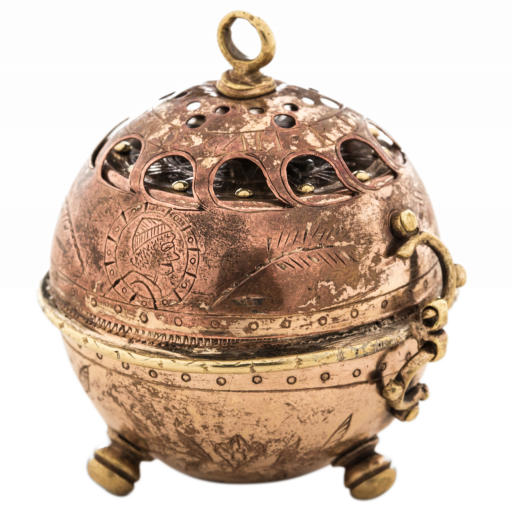
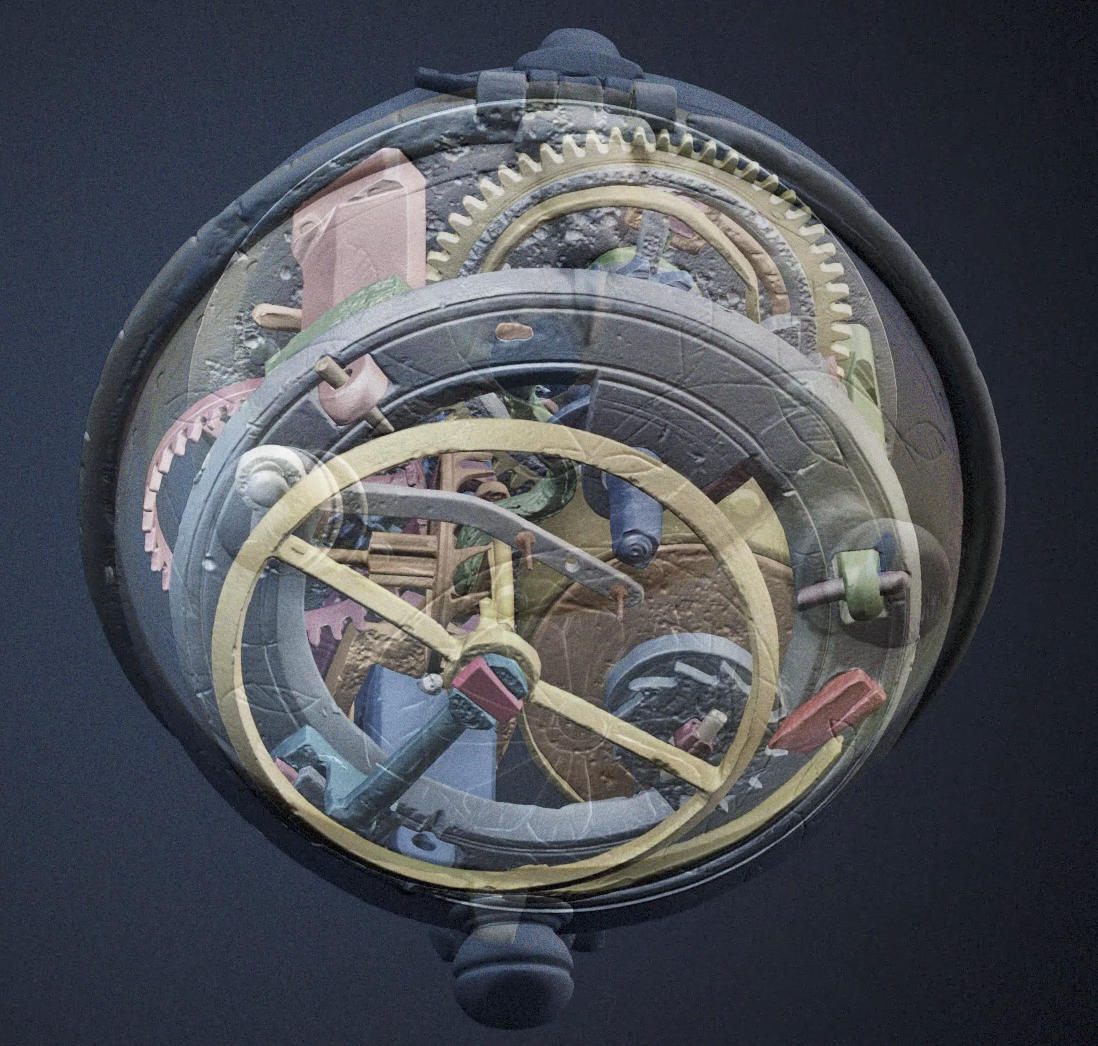
Industrial computed tomography made it possible to capture the internal structure of the watch in three dimensions without disassembling it. The resulting data reveal the position, geometry and spatial relationships of its components. Through digital segmentation, each component — from the pomander to the smallest parts of the movement — could be separately delineated within the CT data and analysed in terms of its geometry and position, as well as its structural and functional relationships.
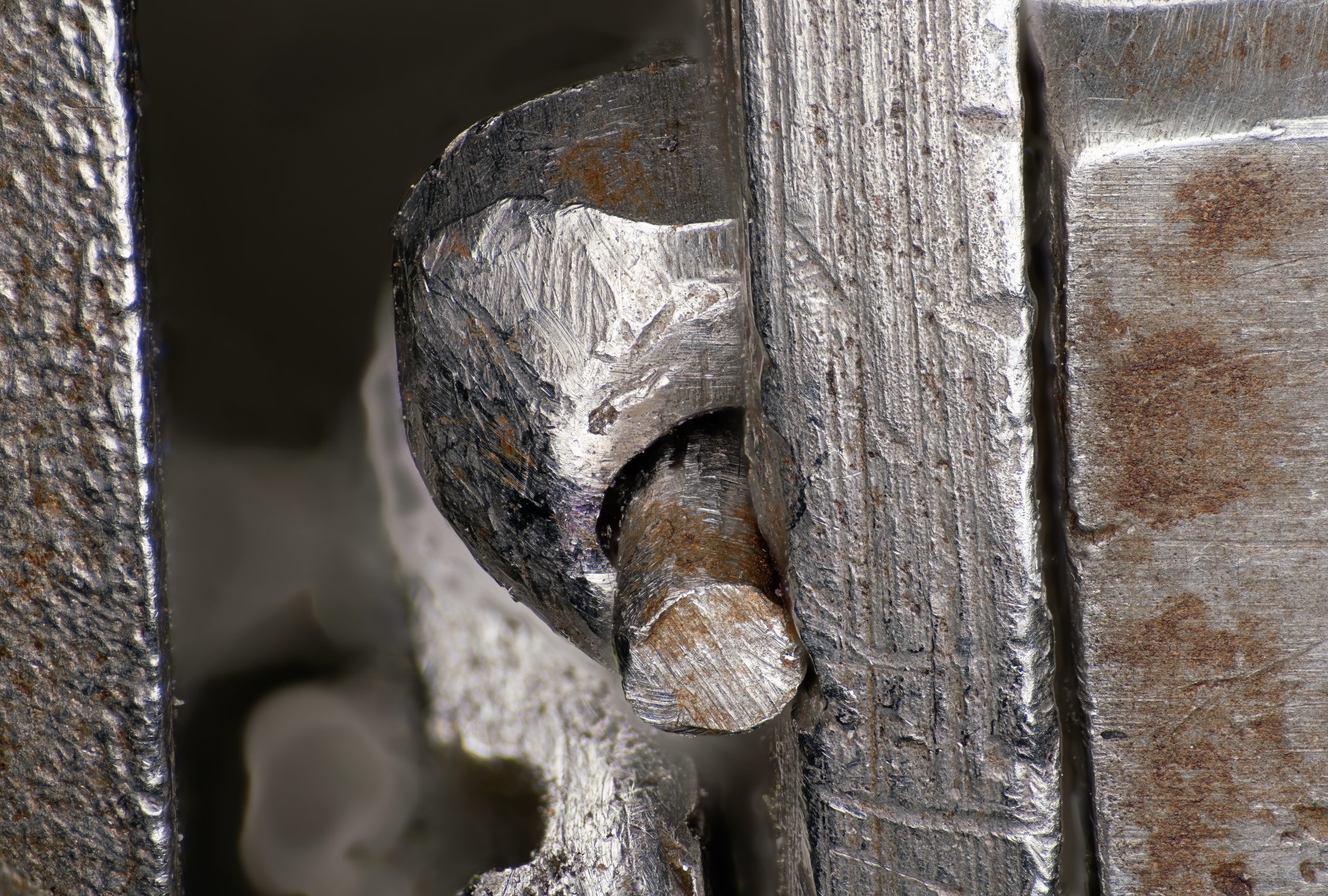
Combined with microphotography and materials analysis, these methods produced a highly precise and informative body of data for the continuing investigation of the artefact and the interaction of its constituent parts.
The Digital Twin
On this basis, a digital twin of the 1505 Watch was created in 2025–26 in collaboration with a leading international provider of software for digital product development, three-dimensional design and industrial simulation. The geometries derived from the computed tomography data were digitally reconstructed, and their kinematic and functional relationships integrated into a coherent model.
The digital twin is not merely a three-dimensional representation of the watch, but a physics-based functional simulation model. It enables the mechanical behaviour of the movement, together with the forces, friction, loads and functional interactions between its components, to be examined digitally. It can therefore be used to investigate the structural relationships, tolerances and adjustments required for the movement to operate as a mechanical system.
Within the digital model, parameters and component geometries can be varied without physically intervening in the historic artefact. Minute geometric deviations and idealised versions of individual components can be modelled for comparison and their effects on mechanical operation assessed. This makes it possible to determine how sensitive the mechanical operation of the watch is to variations in design, manufacture, assembly and adjustment.
Simulations alone cannot establish the original condition of components that now exhibit wear. They can, however, support inferences about the original construction and enable testable hypotheses to be formulated concerning the degree of manufacturing precision required, subsequent interventions and the mechanical performance of the watch.
From Individual Findings to an Integrated Understanding
The principal scientific achievement lies not in any single investigative method, but in bringing together the findings of different disciplines to form an integrated understanding of the 1505 Watch.
The object-based research was complemented by philosophical and cultural perspectives, together with theoretical approaches to technology. These broadened the historical and horological research, materials analysis and engineering investigation to address the significance of the 1505 Watch for the evolving relationship between human beings, machines and time. Contemporary debates surrounding transhumanism were also considered. Together, these perspectives allow the 1505 Watch to be investigated and understood within an integrated historical, technical, material and cultural context.
The digital twin provides a research platform that can continue to evolve. New findings can be incorporated, assumptions refined and simulation parameters further developed. Rather than marking the conclusion of the scientific investigation, it opens a new phase of research in which understanding of the 1505 Watch can be continually tested, deepened and expanded.