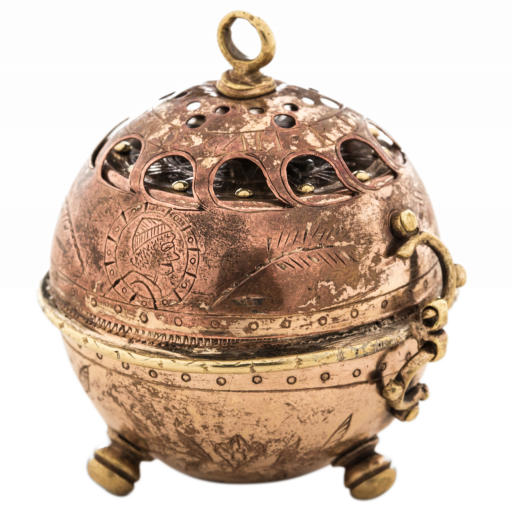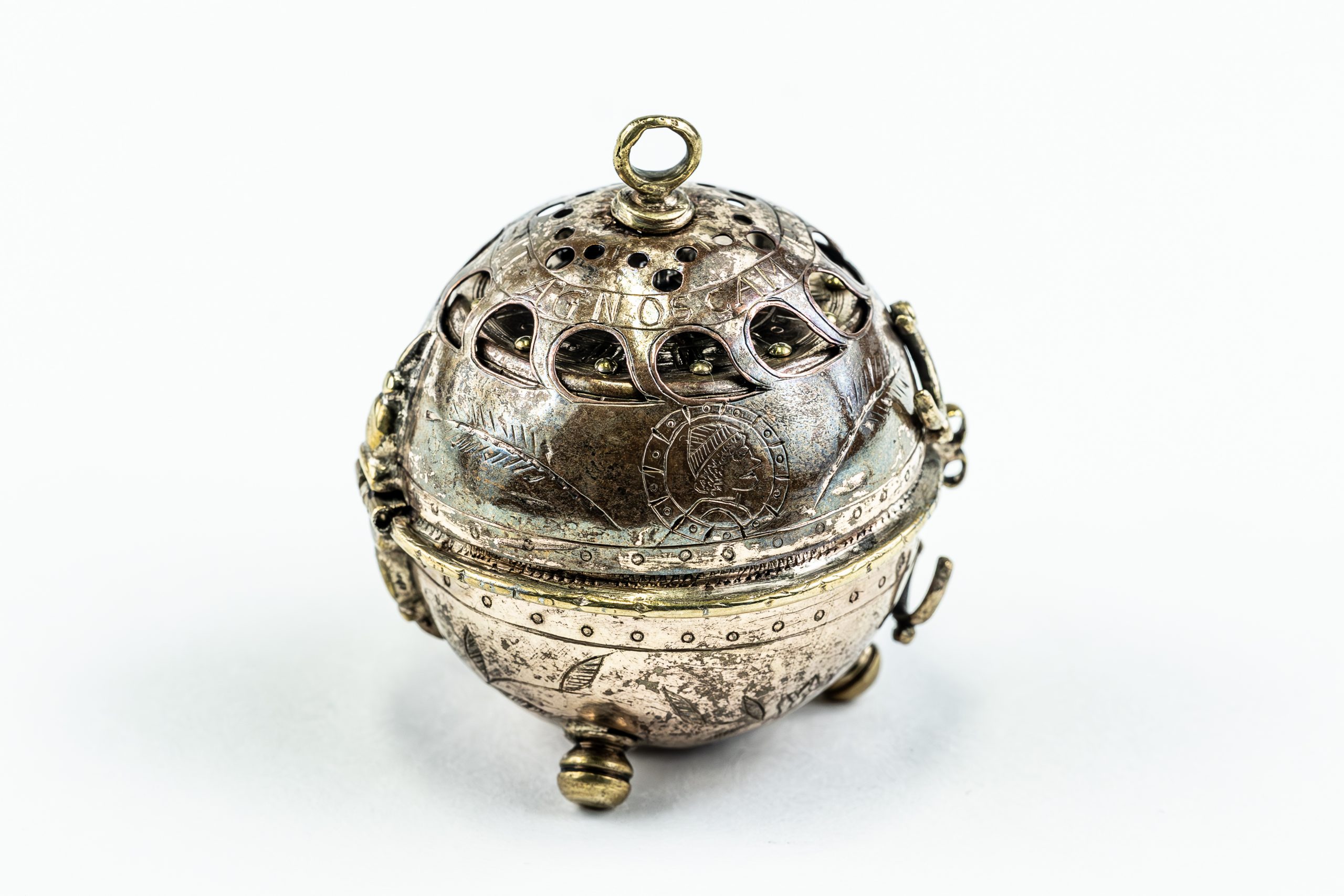
The 1505 Watch is the oldest known wearable mechanical watch and is regarded as the ‘world’s first watch’.
Made in Nuremberg around 1505 and attributed to Peter Henlein, it marks the decisive transition from ‘clock’ to ‘watch’: from timekeepers fixed in place, or at most moved between locations, to a mechanical watch conceived to be worn on the body.
For the first time, mechanical timekeeping became a personal companion. In doing so, the 1505 Watch set in motion a development that continues to shape the relationship between people, machines and time.
1. Foreword
For millennia, human beings have sought to make time visible, measurable and calculable. Across cultures and centuries, observations of the heavens, mathematics, mechanics, craftsmanship and the ordering of communal life combined to produce systems and instruments by which time could be recorded, divided and translated into human activity.
This development was never merely a technical process of measurement. It linked observation and calculation with social order and practical orientation of society and the practical conduct of daily life, allowing time to become a structuring element of human society.
Around 1505, this long development reached a historic turning point in Nuremberg. A mechanical movement was miniaturised to the point that it could be housed within an object worn on the body. This miniaturisation created the technical precondition for permanently connecting mechanical timekeeping with human beings.
Herein lies the watch’s fundamental historical importance. Reducing the movement to this scale was an exceptional technical achievement, but its implications reached further: it changed the place of mechanical timekeeping in human life. Mechanical timekeeping became personally wearable for the first time. A new relationship between human beings, machines and time had begun.
The 1505 Watch is a singular historical artefact in which horological design, mechanical miniaturisation, craftsmanship, the exceptional preservation of its original material fabric, civilisational significance and humanist reflection converge. Together, these dimensions give rise to a question that reaches beyond the watch’s moment of creation and still resonates today: How do we relate to our time?
The 1505 Watch stands at the beginning of a trajectory leading through pocket watches and wristwatches to the digital systems now worn on the body. What began as a mechanical instrument for personal timekeeping has developed into an ever closer relationship between people and technologies carried close to the body.
The timeline that follows traces key stages along this path. It surveys the millennia-long history of timekeeping from which the 1505 Watch emerged and places the historic transition it brought about within a broader trajectory.

Building on this historical framework, the chapters that follow examine the 1505 Watch step by step. They lead from its origins and form, through its mechanical design and material character, to its scientific investigation and cultural significance.
Together, they form a structured path of enquiry, bringing these distinct dimensions into a coherent understanding of the 1505 Watch and illuminating its significance for the present and for the enduring relationship between humans, technology and time.